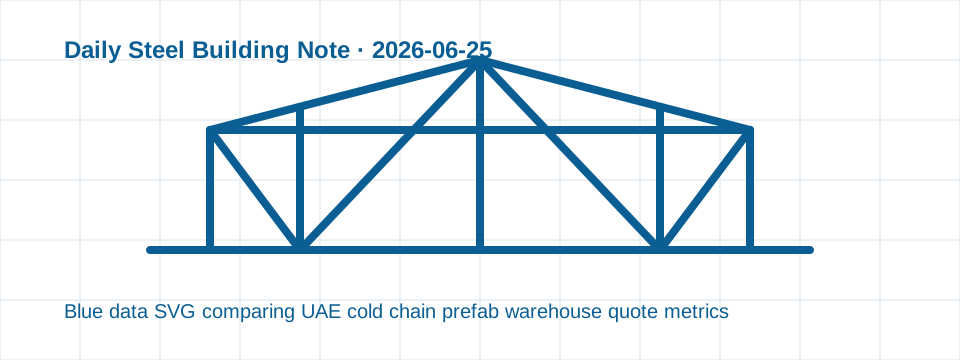
Cold chain expansion in the UAE is often measured by storage capacity, pallet positions and refrigeration equipment, but the steel building frame has a direct effect on operating cost. A warehouse that holds chilled food, pharmaceuticals or frozen ingredients must limit air leakage, support insulated envelopes and leave enough clear height for evaporators, ducts and service access. When several offers arrive with different prices, a data review helps the buyer separate genuine value from missing scope.
The first comparison column should be usable internal volume. Two buildings with the same footprint can provide different storage capacity if the eave height, roof slope, column spacing or bracing layout restrict rack placement. For cold rooms, the buyer should check whether the steel supplier has allowed for insulated panel thickness, ceiling suspension points and service corridors. A few centimeters lost along every wall may reduce pallet positions, while unplanned bracing can block an air curtain, dock seal or maintenance platform.
The second column is environmental load. Gulf warehouses face high temperatures, dust, coastal humidity in some locations and occasional strong wind. The structural design should state wind speed, exposure, roof live load, collateral load and any allowance for solar panels or maintenance walkways. Refrigeration equipment adds suspended loads that are not always visible in early architectural sketches. A quote that includes only the bare frame may look competitive until the mechanical consultant requests additional steel support after fabrication has started.
A useful offer from a prefab steel warehouse manufacturer should identify primary steel grade, secondary member thickness, cladding support spacing, insulation interface, paint system and fastener specification. These details belong in the data table because they affect durability and thermal performance. If one proposal uses heavier columns but cheaper roof fasteners, and another uses better coating with a more efficient frame, the buyer needs line-by-line evidence rather than a single total price.
Dock performance is another measurable item. Cold chain buildings lose energy at doors, so the quote should state how many dock openings are framed, whether canopies are included, and how wall panels terminate around dock shelters. The apron slope, drainage and vehicle restraint details may be outside the steel package, yet the frame opening dimensions must match them. Misalignment between civil works and steel fabrication can delay commissioning of the refrigeration system, which is usually the most expensive equipment on site.
For a custom steel structure warehouse, procurement teams should also compare documentation speed. Ask each bidder when they can issue approval drawings, anchor bolt plans, connection details and packing lists. In UAE projects, permits, landlord approvals and utility coordination often run in parallel. Late drawings can cost more than a modest price difference because refrigeration installers, racking suppliers and dock equipment vendors cannot finalize their own work.
The final scorecard should include lifecycle factors. Coating quality, panel detailing, safe roof access and future expansion options are not abstract engineering preferences; they reduce maintenance interruptions in a facility where temperature stability is tied to revenue. A buyer who records the assumptions behind each quote can negotiate intelligently, clarify exclusions early and select a steel building package that supports the cold chain business rather than merely enclosing it.
Commercial comparison should include payment milestones and inspection points. A lower deposit may not compensate for vague fabrication quality control, while a higher early payment may be acceptable if the supplier provides material certificates, welding records and trial assembly photos. Cold chain owners should request evidence that insulated envelope interfaces have been considered, especially at eaves, corners and dock walls. These are the places where condensation and air leakage usually appear after commissioning.
Shipping data is another useful metric. Container count, bundle length, unloading method and packing sequence affect the site budget in Jebel Ali, Abu Dhabi, Sharjah or inland logistics zones. If the project has limited laydown space, the steel package should arrive in an order that supports erection rather than simply maximizing container utilization. Recording these items in the quote comparison table makes the final decision more balanced and reduces the risk of hidden costs during installation.
Finally, the data sheet should assign responsibility for every interface. The steel supplier, refrigeration contractor, civil engineer and racking vendor may each assume another party is handling openings, supports or tolerances. A simple responsibility matrix beside the quote comparison prevents gaps. It should list who confirms slab levels, dock dimensions, roof penetrations, panel supports, equipment loads and approval submissions. In a cold chain project, the costliest omissions are often at these interfaces, not in the visible tonnage of the main frame.
The scorecard should remain short enough for managers to use. Ten or twelve columns are usually better than a long technical appendix that nobody reads. Put price beside measurable assumptions: design code, clear height, loading, coating, cladding support, drawings, shipment and exclusions. When the decision meeting begins, the team can see which proposal is complete, which is cheaper because scope is missing, and which supplier has answered the cold chain risks directly.
Internal reading: compare this note with yesterday's field note for a different procurement angle.